
BioPhysics
Trained
Disc Decompression Therapy in Salt Lake City, Utah
Non-Surgical Relief for Disc Pressure
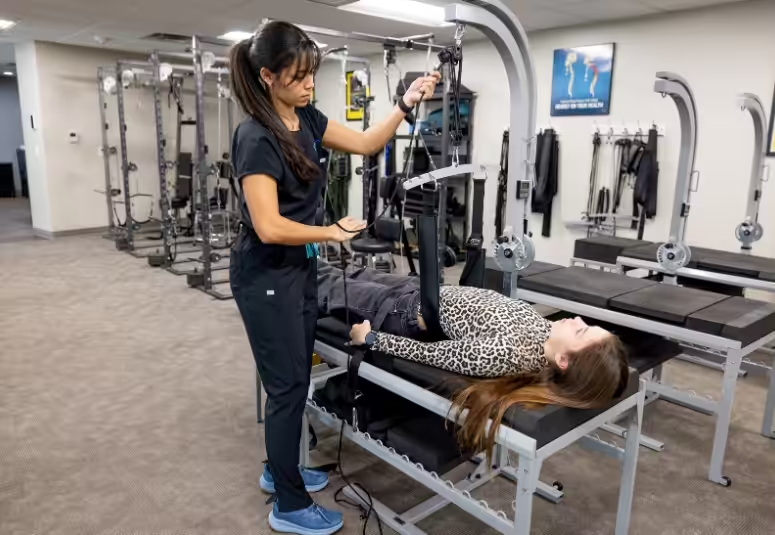
Disc decompression therapy is designed to help relieve pressure on spinal discs and nearby nerves without surgery. When discs become compressed, bulging, or irritated, they can contribute to back pain, neck pain, stiffness, sciatica, or radiating symptoms into the arms or legs. This type of care focuses on creating space within the spine so the affected discs can function more comfortably and the body can begin to heal. At Creekside Chiropractic, disc decompression therapy is used as part of a personalized plan to support better mobility, reduce discomfort, and improve long-term spinal function.
Supporting Disc Health and Spinal Mobility
Care at Creekside Chiropractic begins with a detailed evaluation of your spine, posture, and the specific areas where disc pressure may be affecting your comfort and movement. Rather than focusing only on pain, the goal is to understand how disc compression, alignment, and nerve involvement are contributing to your symptoms. Disc decompression therapy is then introduced as part of a personalized treatment plan designed to gently stretch the spine and reduce pressure within the discs. This non-invasive approach helps create an environment where the body can begin to heal naturally. It is often combined with chiropractic adjustments and corrective care to support long-term improvement.
- Reduce pressure on spinal discs and surrounding nerves
- Support natural healing of injured or compressed discs
- Improve mobility and daily function
Disc decompression therapy focuses on addressing the root cause of disc-related pain rather than simply masking symptoms. By improving the space and function within the spine, it helps support more lasting relief and better overall movement.
What Causes Disc Compression and Herniated Discs?
Disc compression and herniation often develop over time due to a combination of stress, posture, and injury. The spinal discs act as cushions between the vertebrae, but when they are subjected to repeated pressure or strain, they can shift out of position or become damaged. In some cases, the inner portion of the disc may push outward, placing pressure on nearby nerves and causing pain. These changes can occur gradually or as the result of a specific injury.
- Poor posture and prolonged sitting
- Injuries such as lifting strain or accidents
- Repetitive movements or physical stress
- Age-related disc degeneration
When disc issues are not addressed, they can continue to affect how the spine functions and how the body moves. Over time, this may lead to increased discomfort, reduced mobility, and ongoing nerve irritation. Addressing these root causes is essential for improving both short-term comfort and long-term spinal health.
Common Signs You May Benefit from Disc Decompression Therapy
Disc-related issues often show up in ways that go beyond simple back or neck pain. You may notice discomfort that radiates into the arms or legs, especially when nerves are involved. Symptoms can develop gradually or appear more suddenly after an injury, making it difficult to stay active or comfortable throughout the day. These patterns often indicate that disc pressure is affecting surrounding structures.
- Persistent back or neck pain
- Radiating pain, numbness, or tingling
- Sciatica or discomfort down the legs
- Stiffness or limited range of motion
If these symptoms sound familiar, you’re not alone. Many people experience disc-related pain that interferes with daily life. Disc decompression therapy is designed to reduce pressure and improve function, helping you move more comfortably and with greater confidence.
How Chiropractic Adjustments Help Support Disc Decompression Therapy
Disc decompression therapy works by gently stretching the spine to create a negative pressure within the discs, which helps draw fluid, oxygen, and nutrients back into the affected area. This process can support healing and improve disc function over time. Chiropractic adjustments are often used alongside decompression to improve joint mobility and ensure the spine is moving properly. This combination helps reinforce structural changes and reduce ongoing stress on the discs.
- Decompress discs and relieve nerve pressure
- Promote improved disc hydration and healing
- Enhance spinal alignment and mobility
- Support better overall spinal function
This integrated approach focuses on long-term improvement rather than temporary relief. By addressing both the structure and movement of the spine, care helps reduce the likelihood of recurring issues and supports more lasting results.
When Should You Start Disc Decompression Therapy?
Disc decompression therapy may be recommended when symptoms are persistent, worsening, or not responding to basic treatments like rest or stretching. It is especially helpful for individuals dealing with herniated discs, bulging discs, or nerve-related pain that continues to interfere with daily activities. Waiting too long can allow disc issues to progress, making them more difficult to manage. Early evaluation allows for a more targeted and effective treatment plan.
- Ongoing back or neck pain that doesn’t improve
- Radiating pain, numbness, or tingling
- Limited mobility affecting daily activities
- Diagnosis of herniated or bulging discs
Taking a proactive approach can help reduce pressure on the spine and support better long-term outcomes. Starting care at the right time allows your body to heal more effectively and helps prevent ongoing strain or compensation patterns.
Frequently Asked Questions
What is disc decompression therapy and how does it work?
Disc decompression therapy is a non-surgical treatment that gently stretches the spine to relieve pressure on spinal discs. This process creates space between the vertebrae and helps reduce nerve compression. It also encourages the movement of nutrients and fluids into the discs, which supports healing. The goal is to improve both comfort and function over time.
Can disc decompression therapy help with herniated discs?
Yes, disc decompression therapy is commonly used to help manage herniated or bulging discs. By reducing pressure within the disc, it can help the disc return toward a more normal position. Many patients experience reduced pain and improved mobility as treatment progresses. It is often part of a broader, personalized care plan.
Is disc decompression therapy safe?
Disc decompression therapy is considered a safe, non-invasive option when performed under professional supervision. It does not involve surgery or medication, making it a conservative treatment approach. Each treatment is carefully controlled and customized to your condition. Your provider will determine if it is appropriate for you.
What does disc decompression therapy feel like?
Most patients describe the treatment as a gentle stretching sensation in the spine. It is typically comfortable and relaxing rather than painful. Some people even notice relief during the session itself. Any mild soreness afterward usually resolves quickly as the body adapts.
How long does it take to see results from disc decompression therapy?
The timeline can vary depending on the severity of the condition and how your body responds to treatment. Some patients notice early improvements in pain and mobility, while others require a series of sessions for more significant changes. Disc decompression is usually part of a longer-term plan focused on lasting results. Progress is monitored to ensure the treatment remains effective.
Check Out Our Conveniently Located Chiropractic Clinic Near You
Get Your Free Salt Lake City Hiker & Skier's Guide
Discover the simple 5-minute mobility routine designed to help hikers and skiers improve movement, support spinal health, and reduce the risk of back injuries. Download your free guide today and start preparing your body for your next outdoor adventure.
