
BioPhysics
Trained
Scoliosis Rehabilitation in Salt Lake City, Utah
Customized Care for Scoliosis Support
Scoliosis rehabilitation is designed to support better posture, spinal balance, and long-term function through a non-surgical, individualized approach. Because scoliosis affects each person differently, care should be based on the specific curve pattern, posture changes, symptoms, and stage of development. A structured rehabilitation plan may include scoliosis-specific exercises, chiropractic adjustments, and corrective strategies that help improve how the spine moves and functions. At Creekside Chiropractic, scoliosis rehabilitation focuses on helping patients manage spinal curvature, reduce strain, and feel more confident in their movement and posture.
Supporting Spinal Alignment and Curve Management
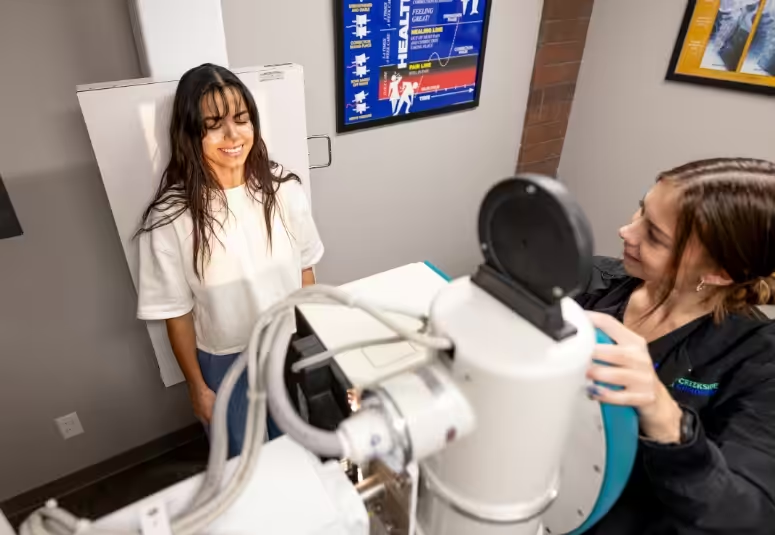
Scoliosis rehabilitation at Creekside Chiropractic begins with a comprehensive evaluation of your spine, posture, and movement patterns. This includes reviewing your history, assessing your curvature, and often using imaging to better understand how the spine is positioned in three dimensions. Rather than taking a one-size-fits-all approach, care is tailored to your specific curve pattern and functional needs. Treatment plans may include scoliosis-specific exercises, traction, and chiropractic adjustments to support structural improvement. The goal is to help reduce progression, improve posture, and enhance overall quality of life without relying on invasive procedures.
- Improve spinal alignment and posture
- Reduce progression of scoliosis curves
- Support long-term function and confidence
This type of care focuses on addressing the structure of the spine while also improving how it functions. By combining multiple therapies, scoliosis rehabilitation helps create meaningful, lasting changes over time.
What Causes Scoliosis and Spinal Curvature?
Scoliosis is a condition where the spine curves sideways and also rotates, making it a three-dimensional structural issue rather than just a simple bend. In many cases, especially in adolescents, the exact cause is unknown, while in adults it may develop from degeneration, posture, or previous injury. As the spine shifts, muscles become imbalanced—some tightening while others weaken—which can affect posture and movement. Over time, these changes can place uneven pressure on the spine and surrounding tissues.
- Idiopathic, or unknown, causes, especially in children and teens
- Degenerative changes in adults
- Postural imbalances and muscle asymmetry
- Growth-related progression during adolescence
Because scoliosis affects both structure and movement, it often requires a targeted and individualized approach. Addressing the underlying patterns early can help reduce progression and improve how the body adapts over time. A structured rehabilitation plan focuses on restoring balance and supporting long-term spinal health.
Common Signs You May Benefit from Scoliosis Rehabilitation
Scoliosis often develops gradually, which means many people first notice subtle changes rather than immediate pain. You might observe uneven shoulders, a shift in your hips, or a visible curve when bending forward. Over time, these changes can begin to affect comfort, posture, and even confidence in how your body looks and feels. As the condition progresses, it may also impact mobility and daily activities.
- Uneven shoulders, hips, or waistline
- Visible spinal curve or rib prominence
- Back pain, stiffness, or fatigue
- Changes in posture or balance
If these signs sound familiar, you’re not alone. Many people experience these patterns without realizing they can be addressed through structured care. Scoliosis rehabilitation is designed to help improve alignment and function, allowing you to move more comfortably and confidently.
How Chiropractic Adjustments Help Support Scoliosis Rehabilitation
Scoliosis rehabilitation combines chiropractic care with targeted, curve-specific exercises to address the spine in three dimensions. Techniques similar to the Schroth Method use customized exercises and breathing strategies to help de-rotate, elongate, and stabilize the spine. Chiropractic adjustments are used alongside these exercises to improve joint mobility and reinforce structural correction. In many cases, traction and posture-based therapies are also included to support long-term alignment.
- Curve-specific exercises tailored to your spine
- Improved muscle balance and posture awareness
- Enhanced spinal mobility and alignment
- Support for long-term curve management
This approach is designed to go beyond symptom relief by addressing the underlying structure of the spine. By strengthening the body in a corrected position and improving neuromuscular control, care helps create more lasting improvements in posture and function.
When Should You Start Scoliosis Rehabilitation?
Scoliosis rehabilitation can be beneficial at many stages, whether you’ve recently been diagnosed or have been living with the condition for years. Early intervention is especially important for children and teens, as curves can progress more rapidly during growth. However, adults can also benefit from care that focuses on reducing pain, improving posture, and restoring function. Waiting too long may allow the condition to worsen and become more difficult to manage.
- A recent scoliosis diagnosis
- Noticeable progression of spinal curvature
- Increasing pain, stiffness, or fatigue
- Limited improvement with general exercise or stretching
Taking a proactive approach allows for more effective, targeted care. Starting rehabilitation early can help slow progression and improve overall function. The goal is to support long-term spinal health and help you feel more confident in your movement and posture.
Frequently Asked Questions
What is scoliosis rehabilitation and how does it work?
Scoliosis rehabilitation is a non-surgical approach that focuses on improving spinal alignment, posture, and muscle balance. It combines chiropractic care with specialized exercises tailored to your specific curve. These exercises work in three dimensions to help stabilize and support the spine. Over time, this can improve function and reduce progression.
Can scoliosis be treated without surgery?
Yes, many cases of scoliosis can be managed without surgery, especially when detected early. Non-surgical approaches like rehabilitation, bracing, and exercise programs aim to reduce progression and improve function. While results vary, many patients experience meaningful improvements in posture and comfort. The goal is long-term management and stability.
Do scoliosis exercises really help?
Scoliosis-specific exercises are designed to target the unique shape and rotation of your spine. Methods like the Schroth approach can help improve posture, muscle balance, and overall function. Consistency is important, and exercises are typically part of a broader care plan. When combined with chiropractic care, they can enhance results.
Is scoliosis rehabilitation only for children?
No, scoliosis rehabilitation can benefit both children and adults. While early care is important during growth, adults can still improve posture, reduce pain, and enhance mobility. Treatment is adapted based on age, condition severity, and goals. The focus remains on improving function and quality of life.
How long does scoliosis rehabilitation take to see results?
The timeline varies depending on the severity of the curve, age, and consistency with care. Some patients notice improvements in posture and comfort within weeks, while structural changes take longer. Rehabilitation is a gradual process focused on long-term improvement. Progress is monitored to ensure the plan remains effective.
Check Out Our Conveniently Located Chiropractic Clinic Near You
Get Your Free Salt Lake City Hiker & Skier's Guide
Discover the simple 5-minute mobility routine designed to help hikers and skiers improve movement, support spinal health, and reduce the risk of back injuries. Download your free guide today and start preparing your body for your next outdoor adventure.
